

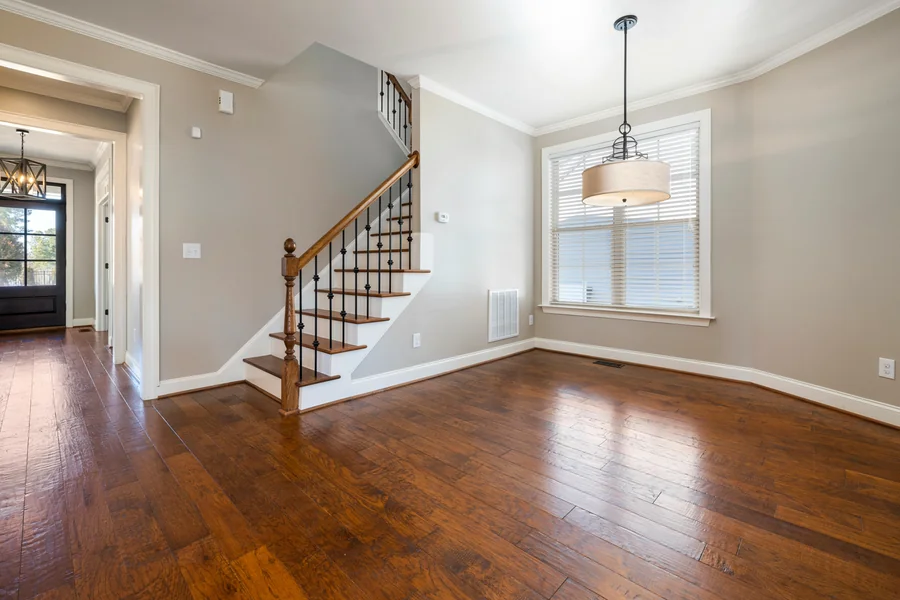
When homeowners think about long-term improvements, flooring is often overlooked in favor of more visible upgrades. However, residential wood flooring consistently proves to be one of the smartest investments you can make for your home. Beyond its classic beauty, wood flooring delivers durability, value, and versatility that stand the test of time. Whether you plan to stay in your home for decades or eventually sell, wood flooring offers benefits that extend far beyond aesthetics.
Enhancing Home Value Over Time
One of the most compelling reasons to invest in residential wood flooring is its positive impact on property value. Homes with wood floors are often more attractive to buyers and can command higher resale prices compared to those with carpet or vinyl. Wood flooring is widely viewed as a premium feature, signaling quality and care throughout the home. Unlike trend-driven flooring options that can quickly look outdated, wood floors maintain broad appeal across generations, helping protect your investment long after installation.
Reducing Ongoing Maintenance Costs
While the upfront cost of wood flooring may be higher than some alternatives, its long-term maintenance requirements are relatively low. Wood floors are easy to clean and do not trap dust, allergens, or odors the way carpet does. Regular sweeping and occasional refinishing are usually sufficient to keep them looking their best. Over time, homeowners often find that they spend less on deep cleaning, repairs, and replacements, making wood flooring a cost-effective choice in the long run.
Supporting Healthier Indoor Living
Another long-term benefit of residential wood flooring is its contribution to healthier indoor air quality. Wood surfaces do not harbor allergens such as dust mites, pet dander, or mold, which can accumulate in carpet fibers. This makes wood flooring an excellent option for households with allergies or respiratory sensitivities. By reducing indoor allergens, wood flooring supports a cleaner and more comfortable living environment for years to come.
Improving Energy Efficiency in the Home
Residential wood flooring can also contribute to better energy efficiency over time. Wood acts as a natural insulator, helping retain warmth during cooler months and maintaining a comfortable indoor temperature year-round. Compared to tile or stone, wood floors feel warmer underfoot and can lessen reliance on excessive heating. This added insulation supports consistent comfort while potentially lowering energy costs, making wood flooring a practical investment that benefits both your living environment and long-term utility expenses.
Adapting to Changing Design Styles
Wood flooring offers unmatched design flexibility, allowing homeowners to adapt their interiors without replacing their floors. Whether your style shifts from traditional to modern or rustic to minimalist, wood floors provide a neutral foundation that complements virtually any decor. Changes in wall color, furniture, or decor can refresh the space while the flooring remains relevant and stylish. This adaptability helps homeowners avoid costly flooring updates as design trends evolve.
Demonstrating Sustainable Value
When sourced responsibly, residential wood flooring can also be an environmentally sound investment. Many wood flooring options come from sustainably managed forests and can be refinished multiple times instead of being discarded. Its long lifespan reduces waste and the need for frequent material replacement. For homeowners focused on sustainability, wood flooring offers a balance of natural beauty and long-term environmental responsibility.
Delivering Comfort and Timeless Appeal
Beyond financial considerations, wood flooring provides a level of warmth and character that synthetic materials struggle to replicate. Its natural texture and rich tones create inviting living spaces that feel comfortable and authentic. This timeless appeal enhances daily enjoyment of the home, offering value that goes beyond numbers and resale potential.
Residential wood flooring is more than a design choice; it is a strategic long-term investment. By boosting home value, offering durability, reducing maintenance costs, supporting healthier living, and adapting to changing styles, wood flooring delivers lasting benefits that homeowners can enjoy for decades. When considering upgrades that combine beauty, performance, and long-term return, wood flooring stands out as a smart and reliable investment for any home.
