

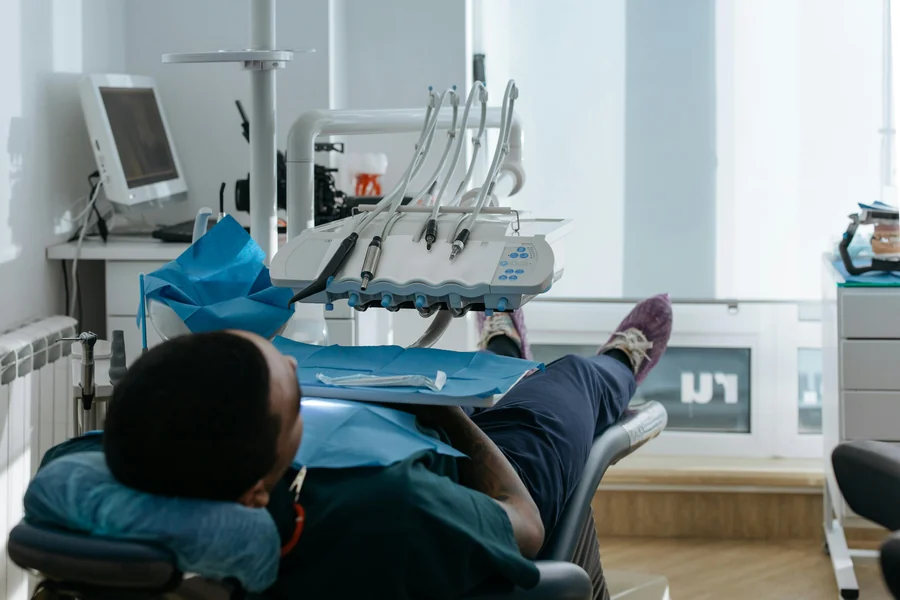
Sedation dentistry has transformed the dental experience for many patients, especially those who feel anxious, fearful, or uncomfortable during dental procedures. By using medication to help patients relax, dentists can perform treatments more efficiently while ensuring patient comfort. However, sedation dentistry is not something to approach casually. Proper preparation plays a vital role in safety, effectiveness, and overall peace of mind. Knowing what to do before your sedation dentistry appointment can help ensure a smooth and stress-free experience.
Understanding What Sedation Dentistry Involves
Before undergoing sedation dentistry, it is important to understand how it works. Sedation can range from mild relaxation to deeper levels where you may feel drowsy or have little memory of the procedure. The type of sedation used depends on the treatment being performed, your anxiety level, and your medical history.
Discussing the process with your dentist allows you to understand what sensations to expect, how long the effects may last, and how recovery typically feels. This knowledge helps set realistic expectations and reduces uncertainty, which is often a major source of anxiety.
Sharing Your Complete Medical History
One of the most critical steps before sedation dentistry is providing a detailed medical history. Sedation medications can interact with existing health conditions and prescription drugs. Conditions such as heart disease, sleep apnea, respiratory issues, or diabetes may influence the type or dosage of sedation used.
Be transparent about any medications you take, including supplements and over-the-counter drugs. This information helps the dental team choose the safest approach for your specific needs and avoid potential complications during the procedure.
Following Pre-Appointment Eating and Drinking Guidelines
Most sedation dentistry procedures require patients to avoid eating or drinking for a certain period before the appointment. This precaution reduces the risk of nausea, vomiting, or aspiration during sedation. Your dentist will provide specific instructions regarding fasting, and it is essential to follow them closely.
Even small deviations from these guidelines can impact your safety. Preparing in advance by adjusting meal times or planning lighter meals the day before can make adherence easier and reduce discomfort.
Planning Transportation and Aftercare
Sedation can affect your coordination, judgment, and alertness for several hours after the procedure. Driving yourself home is usually not allowed, especially with moderate or deep sedation. Arranging transportation in advance ensures a safe return home and eliminates unnecessary stress on the day of the appointment.
It is also wise to plan for aftercare. You may feel tired, groggy, or slightly disoriented following sedation. Having someone available to assist you at home, help with meals, or monitor your recovery can make the experience more comfortable and reassuring.
Preparing Your Body for Sedation
Taking care of your body in the days leading up to sedation dentistry can support better outcomes. Staying hydrated, eating nutritious meals, and getting enough rest help your body respond more positively to sedation and recovery. Avoiding alcohol and recreational substances before your appointment is particularly important, as these can interfere with sedation medications.
If you smoke, reducing or temporarily stopping smoking before the procedure may improve breathing and circulation during sedation. Small lifestyle adjustments can have a meaningful impact on safety and comfort.
Managing Anxiety Ahead of Time
Many people choose sedation dentistry because of dental anxiety or past negative experiences. Addressing these feelings before the appointment can further improve your experience. Talking openly with your dentist about your fears allows them to adjust their approach and provide reassurance.
Relaxation techniques such as deep breathing, calming music, or mindfulness exercises in the days leading up to your visit can help reduce tension. Knowing that practices like Restore Dental Wellness prioritize patient comfort and communication can also offer peace of mind without feeling promotional.
Understanding Medication Instructions
Your dentist may provide specific instructions regarding medications before sedation. Some medications should be taken as usual, while others may need to be paused temporarily. Following these instructions precisely is essential for safety.
If you are unsure about any medication adjustments, contacting the dental office for clarification is always better than making assumptions. Clear communication helps prevent complications and ensures the sedation process is as smooth as possible.
Preparing Mentally for Recovery
Recovery from sedation dentistry is usually straightforward, but it is helpful to prepare mentally for the aftermath. You may feel sleepy, have limited memory of the procedure, or experience mild side effects such as dry mouth or dizziness. These effects typically wear off within hours.
Planning a quiet day after your appointment allows your body to rest and recover fully. Avoiding important decisions, work obligations, or strenuous activities gives you the space to heal and regain normal alertness.
Setting Expectations for the Dental Procedure
Sedation dentistry often makes time feel shorter, and many patients report little recollection of the procedure. While this can be reassuring, it is still important to understand what treatment is being performed and any post-procedure care instructions. Reviewing these details in advance ensures you are prepared to follow aftercare recommendations once the sedation wears off.
Clear expectations also help you feel more in control, even when sedation is involved. Confidence in the process contributes to a calmer and more positive experience overall.
Conclusion
Preparing for sedation dentistry goes beyond simply showing up for your appointment. It involves understanding the process, sharing your medical history, following fasting guidelines, planning transportation, and taking care of your physical and emotional well-being. These steps work together to ensure safety, comfort, and successful outcomes. By approaching sedation dentistry with thoughtful preparation and open communication, patients can transform what might have been a stressful experience into one that feels manageable and reassuring. Proper preparation not only supports a smooth procedure but also helps you walk away feeling confident, relaxed, and ready to maintain your oral health.
