

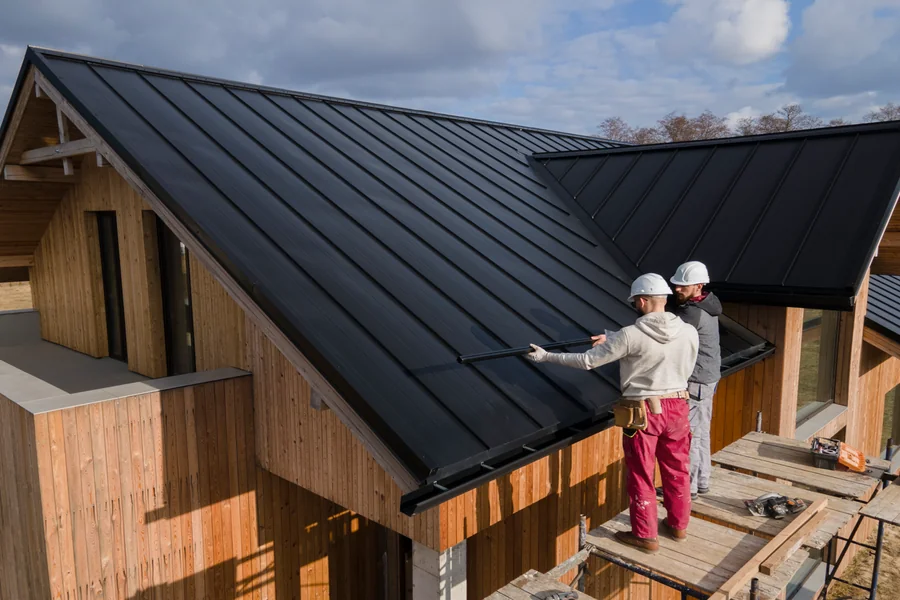
Your roof is one of the most critical parts of your home, yet it’s often overlooked until a serious issue arises. Because it protects your home from weather, moisture, and temperature extremes, even small problems can quickly escalate into costly damage if left unaddressed. Knowing the common signs that your roof needs repair can help you act early, extend your roof’s lifespan, and avoid unexpected expenses.
Below are some of the most important warning signs homeowners should never ignore. Read on!
Visible Damage to Shingles or Roofing Materials
One of the clearest indicators that your roof needs repair is visible damage to shingles or other roofing materials. Cracked, curled, missing, or blistered shingles suggest that the roof’s protective barrier has been compromised. Over time, exposure to harsh weather and UV rays causes roofing materials to deteriorate. When this happens, water can penetrate beneath the surface, leading to leaks and internal damage. Roofing contractors can assess whether repairs are sufficient or if larger sections need attention.
Persistent Roof Leaks or Water Intrusion
Leaks are among the most common reasons homeowners contact roofing professionals. Water dripping from the ceiling or moisture appearing after rainfall is a strong sign that your roof is no longer watertight. Leaks may originate far from where the damage becomes visible, making them difficult to locate without professional inspection. Left untreated, water intrusion can damage insulation, encourage mold growth, and weaken structural components.
Stains on Ceilings or Interior Walls
Water stains on ceilings or walls often indicate an ongoing roofing issue. These discolorations may appear as brown or yellow patches and can worsen over time. While they may seem cosmetic, they usually point to repeated moisture exposure from the roof. Residential roofing companies often identify these interior signs as early warnings of roof failure that require timely repairs to prevent further damage inside the home.
Sagging or Uneven Rooflines
A sagging or uneven roofline is a serious sign that your roof needs immediate attention. This issue may be caused by prolonged water damage, rotting roof decking, or compromised structural supports. When a roof begins to sag, it indicates stress within the underlying framework. Experienced roofing contractors should inspect this condition promptly, as structural roof damage can pose safety risks if not addressed quickly.
Granule Loss from Asphalt Shingles
Asphalt shingles rely on granules to protect them from sunlight and weather exposure. If you notice granules accumulating in gutters or around your property, it’s a sign that your shingles are wearing down. Granule loss reduces the roof’s ability to repel water and regulate temperature. Roofing professionals often see this as a sign of aging shingles that may need repair or partial replacement to maintain proper protection.
Increased Energy Bills or Reduced Efficiency
A damaged roof can affect your home’s energy efficiency. If heating or cooling costs rise unexpectedly, your roof may be allowing air to escape or moisture to affect insulation. Gaps, leaks, or deteriorated materials disrupt temperature control, forcing HVAC systems to work harder. Residential roofing companies can identify problem areas and recommend repairs that help restore energy efficiency and reduce utility costs.
Moss, Mold, or Algae Growth on the Roof
Biological growth on your roof often signals trapped moisture. Moss, mold, and algae thrive in damp environments and can gradually degrade roofing materials. Moss can lift shingles, allowing water to seep underneath, while mold and algae may indicate drainage or ventilation issues. Roofing contractors often recommend addressing these growths early to prevent long-term damage and preserve the roof’s integrity.
Damaged Flashing Around Roof Penetrations
Flashing seals vulnerable areas around chimneys, vents, skylights, and roof valleys. When flashing becomes loose, cracked, or corroded, it creates openings for water intrusion. Damaged flashing is a frequent cause of leaks and is often overlooked until problems arise. Skilled roofing professionals can repair or replace flashing to restore a watertight seal and prevent recurring issues.
Unusual Noises During Wind or Storms
Rattling, flapping, or creaking sounds during storms may indicate loose roofing materials or weakened fasteners. These noises suggest that parts of the roof are no longer securely attached, increasing the risk of damage during high winds. Roofing contractors often address these issues before severe weather causes sections of the roof to lift or detach entirely.
Aging Roofing Materials Near the End of Their Lifespan
All roofing materials have a limited lifespan, and aging roofs are more prone to damage. As materials deteriorate, they lose flexibility, strength, and weather resistance. Even if damage isn’t immediately visible, older roofs should be inspected regularly. Roofing professionals can identify early signs of failure and recommend targeted repairs that extend the roof’s usable life.
Recognizing the common signs your roof needs repair helps you protect your investment and avoid costly damage. From visible shingle issues and interior stains to sagging rooflines and rising energy bills, these warning signs should never be ignored. When you notice any of these signs, consulting qualified roofing contractors, such as those from Gerry’s Roofing & Siding Inc., can help keep your home safe, efficient, and well-protected for years to come.
